
Dorper Sheep for sale
$250.00
Description
Are you searching for Dorper sheep for sale to elevate your meat production operation? You’ve come to the right place. As one of the most sought-after meat sheep breeds globally, Dorpers are prized for their exceptional growth rates, outstanding carcass quality, and remarkable adaptability to diverse environments.
Why Choose Dorper Sheep?
The Dorper is a South African mutton breed developed in the 1930s through the crossing of the Dorset Horn and Blackhead Persian sheep. The name itself is a coupling of the first syllables of its parent breeds – Dorset and Persian. Originally bred for the arid and extensive regions of South Africa, Dorpers have since become the second most numerous sheep breed in South Africa, accounting for sixty-five percent of the commercial flock in Namibia.
Today, Dorper genetics have spread worldwide, with an estimated population of over seven million in South Africa alone and around two million in Australia.
Rapid Growth and Superior Carcass Quality
The Dorper is primarily a mutton sheep and meets market requirements exceptionally well. A Dorper lamb can reach a live weight of approximately thirty-six kilograms (eighty pounds) at just three to four months of age, ensuring a high-quality carcass of roughly sixteen kilograms. The average daily gain averages around 243 grams, demonstrating the breed’s inherent growth potential and ability to graze at an early age.
Dorpers produce a superior carcass with excellent conformation and fantastic fat distribution. Dressing percentages can reach fifty-four percent, making them a highly profitable choice for commercial producers. The Dorper skin is also highly prized – marketed as “Cape Glovers” and representing up to twenty percent of the total carcass value.
Outstanding Fertility and Maternal Instincts
Dorpers are one of the most fertile sheep breeds available. They have a long breeding season that is not seasonally limited, allowing lambs to be dropped at any time of the year. A well-managed Dorper ewe can lamb approximately three times in two years, with lambing intervals as short as eight months.
Under good conditions, a lambing percentage of one hundred and fifty percent can be achieved, and in exceptional cases, even one hundred and eighty percent can be attained. This means a single Dorper ewe can produce 2.25 lambs on an annual basis.
Dorper ewes are known for their strong maternal instincts and high milk production. They are instinctively fond of their lambs and care for and rear their offspring exceptionally well. This translates to healthier lambs and lower mortality rates.
Adaptability and Hardiness
The breed was developed for arid to semi-arid environments but performs favourably under a wide variety of climatic and grazing conditions, including intensive feeding systems. Dorpers are non-selective grazers and fit well into veld management systems, where they can convert feed resources that are underutilised by other livestock.
Dorpers are remarkably hardy and can thrive under range conditions where other breeds can barely exist, with ewes able to raise a lamb of reasonable quality under fairly severe conditions. They are also not susceptible to fly strike and fleece rot and have a high degree of disease resistance.
Low Maintenance and Easy Care
One of the greatest advantages of Dorpers is their low-maintenance nature. They produce a short, light coat of wool and hair that is naturally shed in late spring and summer, eliminating the need for shearing, mulesing, crutching, or tail docking. This significantly reduces labour costs and improves animal welfare.
The breed has a thick, protective skin with natural pigmentation that protects against harsh climatic conditions and skin cancers seen in many other breeds.
What to Look for When Searching for Dorper Sheep for Sale
When seeking Dorper sheep for sale, partnering with reputable breeders who prioritise genetics, health, and adaptability is essential. Here’s what to consider:
Breed Type
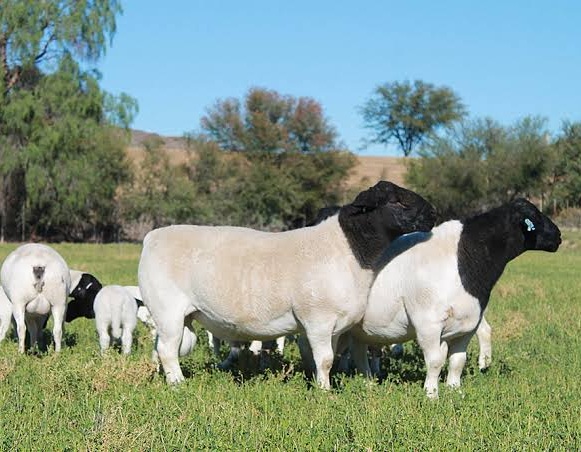
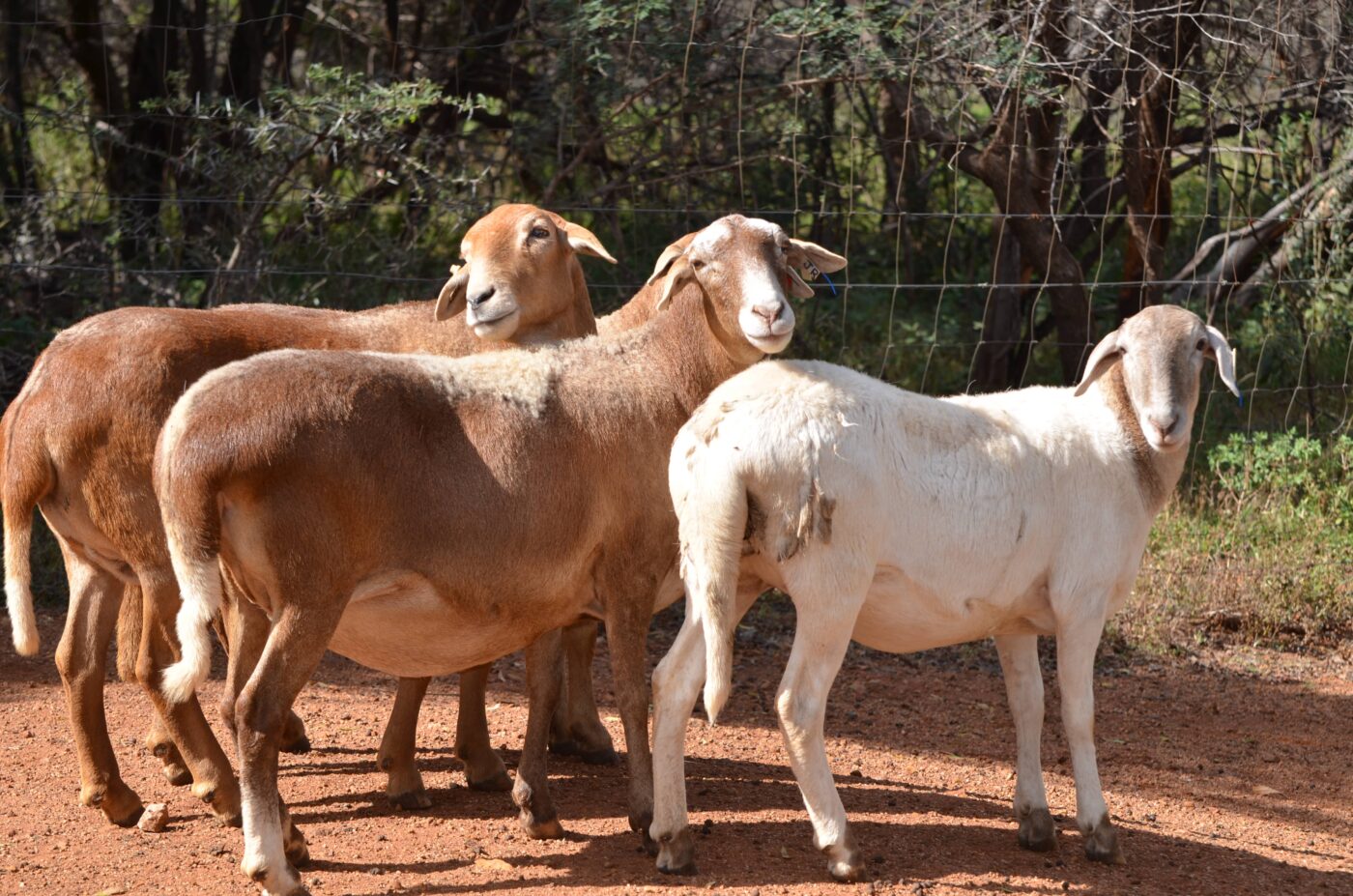
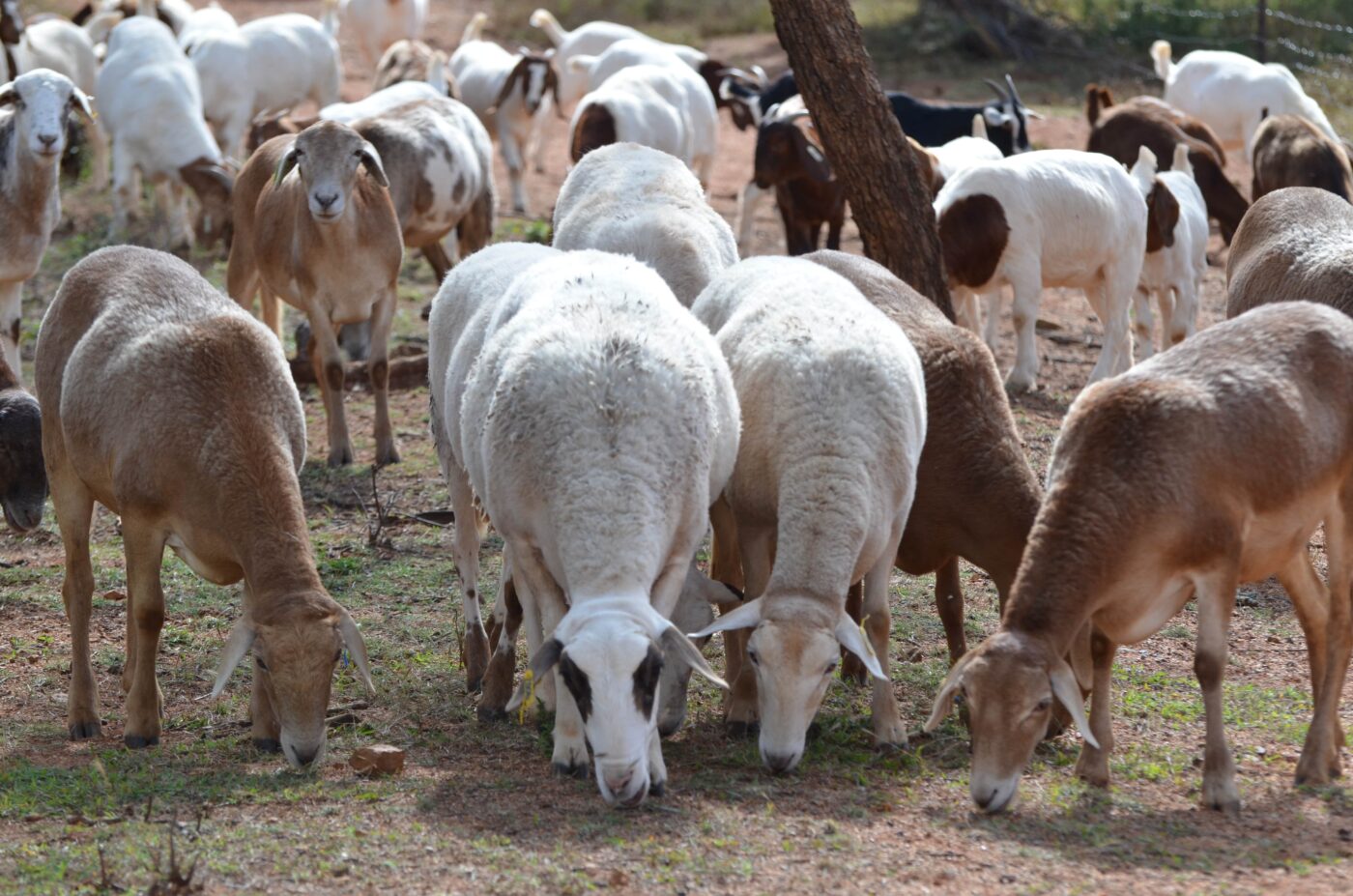
Dorpers come in two recognised varieties: the Dorper with a distinctive black head and the White Dorper with a white head. Black-headed breeders constitute approximately eighty-five percent of the members of the Dorper Sheep Breeders’ Society of South Africa. The difference in colour is primarily a matter of breeder preference, as both varieties share the same outstanding traits.
Genetic Quality and Performance Data
Look for breeders who can provide performance data and genetic information. In South Africa, reputable breeders are members of organisations like SA Stud Book and Logix. Quality-focused breeders select animals based on both phenotype (visual appraisal) and genotype (performance figures), ensuring their animals fit well into your breeding programme. Farmers who have been breeding Dorpers for over fifty years often know the type of animal that performs best in their environment, getting phenotype right about ninety percent of the time before using genotype for final refinement.
Age and Type
Dorper sheep are available in various categories to suit different needs:
-
Ram Lambs – Ideal for breeding or starting a new flock
-
Ewe Lambs – Future breeding stock for your operation
-
Pregnant Ewes – For immediate flock expansion
-
Adult Rams – Proven breeding stock with established genetics
Health Documentation
Reputable sellers should provide comprehensive health records and information about vaccination protocols.
Breeder Experience and Reputation
The most successful Dorper operations are built on decades of experience and disciplined management. Look for breeders who have been raising Dorpers for many years, as they have refined their selection and management systems to produce consistent, high-quality animals.
Caring for Your Dorper Sheep
To maximise the genetic potential of your Dorper sheep purchase, proper management is key:
Nutrition
Dorpers adapt well to natural grazing and are non-selective grazers, but targeted supplementation at critical stages enhances performance:
-
Before Breeding: Ewes should be on an upward nutritional plane to achieve exceptional conception rates.
-
Late Pregnancy: Supplementation with vitamins and minerals ensures better lamb survival and helps ewes recover quickly after lambing.
-
Lactation: Ewes with lambs at foot require production lick to maintain peak milk production.
-
Lambs: Creep feed promotes early rumen development, leading to stronger lambs and better growth.
Health Protocols
Dorpers have a high degree of disease resistance, but implementing a vaccination program is still essential. This includes protection against clostridial diseases and other common ailments.
Breeding Management
Many successful operations use laparoscopic artificial reproduction programmes to improve management efficiency, with two breeding periods per year to maximise lamb numbers. While Dorpers can breed year-round, the best natural conception rates often occur during the main breeding season around April and May.
Record Keeping
Maintaining detailed records of genetics, weight, weaning status, and health history unlocks your flock’s full potential and facilitates better management decisions.
The Dorper Advantage in the Market
The Dorper breed offers a clear financial advantage in meat production. The breed’s exceptional fertility, rapid growth, and superior carcass quality translate to higher profitability. Dorpers are ideally suited for areas susceptible to drought, handling dry conditions well and converting feed efficiently.
In Australia, Dorpers have been responsible for a dramatic expansion of prime lamb production into drier areas where no other breed has been able to succeed successfully. The breed has enabled formerly economically marginal grazing operations to return to viability.
Reviews
There are no reviews yet.