Kiko Goats for sale
$350.00
Description
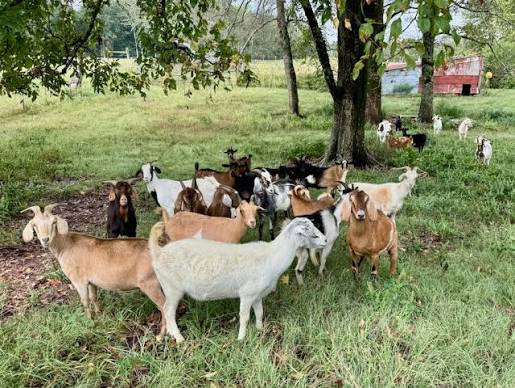
Are you searching for Kiko goats for sale to enhance your meat production operation? You’ve come to the right place. As one of the most efficient and low-maintenance meat goat breeds in the world, Kikos are prized for their exceptional hardiness, rapid growth rates, outstanding maternal instincts, and remarkable parasite resistance.
Why Choose Kiko Goats?
The Kiko goat was purpose-bred in New Zealand during the 1980s specifically for meat production. The name “Kiko” comes from the Māori word meaning “flesh” or “meat.” Developed by crossing hardy feral does with dairy breed bucks including Anglo Nubian, Toggenburg, and Saanen, the breed was then subjected to four generations of rigorous selective breeding focused on survivability and growth rate in challenging hill country environments. The result is a goat that thrives with minimal human intervention.
Superior Hardiness and Parasite Resistance
The Kiko breed was developed to perform with minimal inputs, and this shows in its remarkable resilience. Kikos have a high degree of natural parasite resistance and a low incidence of hoof problems and respiratory diseases. Research has shown that Kikos excel in humid environments where other meat goat breeds, such as the Boer, often struggle.
Many Kiko breeders report trimming hooves only once a year, significantly reducing labour costs compared to other breeds. One breeder describes them as “very easy to raise” with “fewer problems than most goats.”
Outstanding Maternal Traits
Kiko does are known for being excellent mothers with strong instincts, good milk production, and a high twinning rate. Kids are lively and active at birth, grow fast, and does are instinctively fond of their offspring. This translates to higher kid survival rates and healthier, faster-growing offspring.
Rapid Growth and Meat Quality
Kiko goats are bred to convert feed efficiently into meat. Kids can reach market weight in approximately four months without requiring creep feeding. Their ability to put on meat quickly and efficiently makes them a highly profitable choice for commercial producers.
Exceptional Browsing Ability
Kikos are exceptional browsers that will seek out and consume weeds, rose and blackberry bushes, poison ivy, and other plants that cattle and many other livestock ignore. This makes them ideal for pasture rotation and brush control, improving overall land management.
Adaptability Across Climates
Kikos have proven themselves in diverse environments, thriving in conditions ranging from Alaska to Mexico and from California to Canada. They have adapted particularly well to the humid southeastern United States, where the breed’s parasite resistance provides a significant advantage over other meat goat breeds.
What to Look for When Searching for Kiko Goats for Sale
When seeking Kiko goats for sale, partnering with reputable breeders who prioritise genetics, health, and performance is essential.
Registration and Percentage
Kikos are registered through two main associations in North America: the American Kiko Goat Association (AKGA) and the International Kiko Goat Association (IKGA). Registration papers will indicate the percentage of Kiko blood in the animal, allowing you to know exactly what you are purchasing.
Understanding Kiko Percentages:
-
New Zealand Kiko: 100% New Zealand Kiko bloodlines
-
American Premier: 94% – 100% Kiko
-
Purebred: High percentage Kiko
-
Percentage: Varies (e.g., 95%, 75%, 50%)
Fullblood New Zealand Kikos are the most sought-after. There are fewer than two thousand New Zealand Kikos registered, making them relatively rare.
What a Good Breeder Will Provide
Reputable breeders prioritise herd health and genetic quality. Look for breeders who:
-
Provide registration papers from AKGA or IKGA
-
Can share health records, vaccination history, and parasite management protocols
-
Raise goats with minimal intervention, preserving the breed’s natural hardiness
-
Cull selectively, retaining only the best-performing animals for breeding stock
-
Can provide performance data such as kidding rates and growth rates
Crossbreeding Advantages
Kiko genetics are highly valued for crossbreeding programs. When a Kiko is crossed with another meat breed, such as a Boer, the offspring exhibit excellent hybrid vigor, combining the best characteristics of both breeds. The IKGA recognizes three composite breeds based on Kiko crosses:
-
Boki: ½ Boer, ½ Kiko
-
American MeatMaker: ¾ Kiko, ¼ Boer
-
International MeatMaker: ¾ Boer, ¼ Kiko
Caring for Your Kiko Goats
To maximise the genetic potential of your Kiko goats purchase, proper management is key:
Pasture and Browsing
Kikos thrive on browse and pasture. They will consume a wide variety of plants, including weeds and brush that other livestock avoid. Rotational grazing helps manage parasites and improves pasture health. Beef producers frequently rotate pastures with Kikos to clean up what cattle won’t eat.
Minimal Intervention
The Kiko was bred for low-input management. Healthy Kikos require less deworming, less frequent hoof trimming, and fewer veterinary interventions than other meat goat breeds.
Health Protocols
While Kikos are naturally hardy and parasite-resistant, implementing a basic vaccination program is still recommended. Annual CDT vaccinations and strategic deworming based on fecal testing will help maintain optimal health.
The Kiko Advantage in the Market
Kikos have become the “standard” for U.S. meat goat producers looking for a breed that performs under less than ideal circumstances. The breed’s ability to thrive with minimal inputs, combined with its rapid growth, excellent maternal instincts, and superior carcass quality, translates to higher profitability and lower production costs.
Crossing Kikos with Boer goats has become a popular strategy for commercial producers, combining the hardiness and mothering ability of Kikos with the meaty conformation of Boers. This cross produces kids that are healthy, fast-growing, and ready for market in about four months.
Reviews
There are no reviews yet.